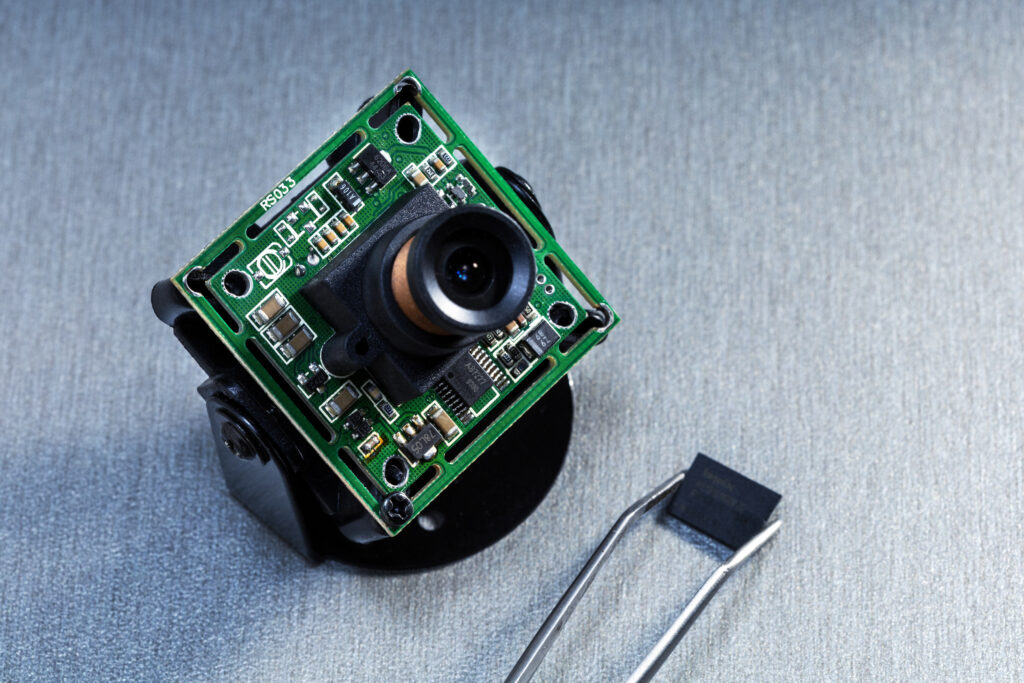
Choosing the right image sensor is one of the most critical decisions in any custom camera project. The sensor defines resolution, low-light performance, dynamic range, power consumption, and cost. Make the wrong choice early, and you’ll be fighting limitations throughout the entire product lifecycle.
Start With Your Use Case
A Before looking at any datasheet, answer these questions:
- Environment: Indoors, outdoors, low-light, underwater, extreme temperatures?
- Subject: Fast-moving objects, static scenes, fine detail, people?
- Output: Displayed to a human, fed into a machine vision algorithm, streamed or stored?
- Constraints: Size, weight, power budget, cost target?
Your answers will immediately eliminate most sensors and narrow the field to a shortlist.
Key Parameters to Evaluate
Resolution – more megapixels means more data, more processing power, and higher cost. For industrial and embedded applications, 2–5MP is often the sweet spot. Don’t over-spec resolution if your processor can’t handle the data rate.
Pixel size – larger pixels collect more light and perform better in low-light conditions. A sensor with 4µm pixels will outperform a 12MP sensor with 1.5µm pixels in a dark warehouse. Prioritize pixel size over megapixel count for challenging lighting.
Shutter type – rolling shutter is cheaper but creates distortion with fast-moving subjects. Global shutter captures all pixels simultaneously essential for industrial inspection, drones, sports analytics, and barcode scanning.
Dynamic range – critical for outdoor cameras, automotive, and security systems where bright and dark areas appear in the same frame.
Interface – match the sensor interface (MIPI CSI-2, LVDS, parallel) to your processor. Mismatches are a common source of design pain.
Don’t Forget Ecosystem
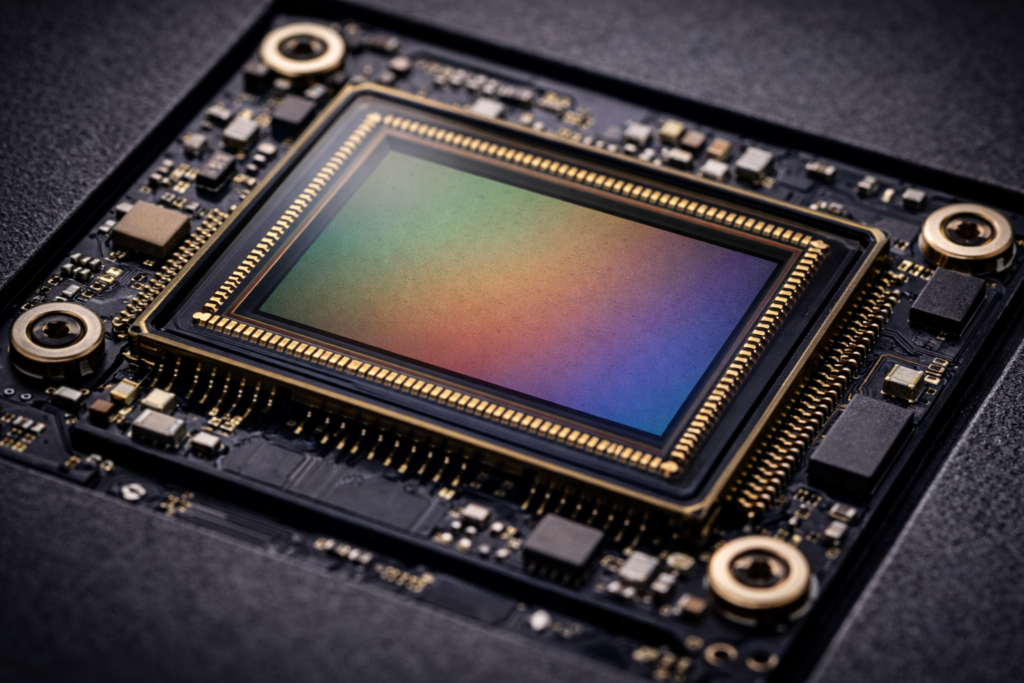
- A great sensor with no Linux driver or ISP support will cost you weeks of extra development. Before committing, check whether a V4L2 driver exists for your target platform, how well the sensor integrates with your SoC, and whether the manufacturer plans to keep it in production for the next 3–5 years. Supply chain risk is real – sensor end-of-life mid-production is a painful and expensive problem.
Quick Checklist
Before selecting a sensor, make sure you can answer:
- Will this sensor be available when I go to production?
- What resolution do I actually need?
- What pixel size do I need for my lighting conditions?
- Do I need global shutter?
- What interface does my processor support?
- Is there a Linux driver available?
Always Test Before You Commit
Datasheets show best-case performance. Real-world results in your application may be different. Before locking in a sensor for production, get an evaluation kit and test it under your actual conditions – your lighting environment, temperature range, and with representative subjects. Pay special attention to ISP tuning quality: a great sensor with poor tuning will still produce poor images. One week of evaluation can save months of rework later.
At PieSoft, sensor selection is always one of the first conversations we have with a new client. If you’re building a custom camera product and need help choosing the right sensor, get in touch – we’re happy to discuss your requirements.